For many golf course operators, the cart fleet remains an operational headache: batteries, tires, cleaning routines, and breakdowns at the worst possible moment.
But when you take a closer look at your numbers, the reality is very different. Golf carts are often one of the highest-margin assets in your operation.
Once the initial investment is covered, whether through purchase or leasing, each additional rental comes with minimal incremental cost. The challenge is not the expense itself, but how effectively you manage that asset to maximize revenue and minimize inefficiencies.
This is where the mindset needs to shift. Your cart fleet should not be treated as a logistical burden, but as a revenue-generating business unit.
How To Secure Cart Revenue Before The Player Even Arrives
The traditional approach, offering a cart at the Pro Shop counter, comes too late in the customer journey.
By the time a player arrives, they have already made most of their spending decisions. However, when cart rental is integrated directly into the Online Booking module of Golfmanager, the dynamic changes completely.
The cart becomes a natural add-on during the booking process. This increases conversion rates and allows you to capture revenue before the player sets foot in the club.
When combined with the Online Payments module, the transaction is secured in advance. This reduces cancellations and provides much better operational visibility.
Your Caddie Master knows exactly how many carts need to be prepared, avoiding both shortages and unnecessary staffing costs.
How To Adjust Cart Pricing Based On Real Demand
If you already apply dynamic pricing to green fees, why treat your cart fleet with a fixed rate?
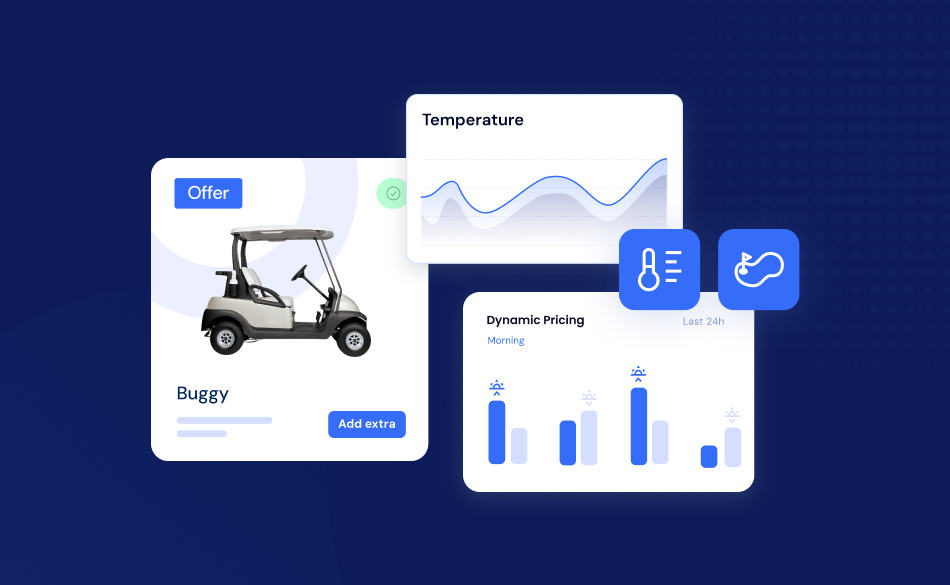
A modern management system allows you to adjust cart pricing automatically based on real-time demand.
- Peak demand: When your tee sheet reaches high occupancy, pricing can be optimized to capture maximum willingness to pay
- Off-peak incentives: Offering “cart included” packages during quieter periods helps drive additional bookings
- Weather-driven demand: On hot days, carts are no longer a luxury; they become essential
The goal is not simply to increase prices, but to align pricing with the value perceived by the player in each specific situation.
How To Avoid Cart Availability Issues In Daily Operations
One of the most common operational issues is overselling your cart fleet.
Few things damage the player experience more than arriving for a tee time and finding no carts available.
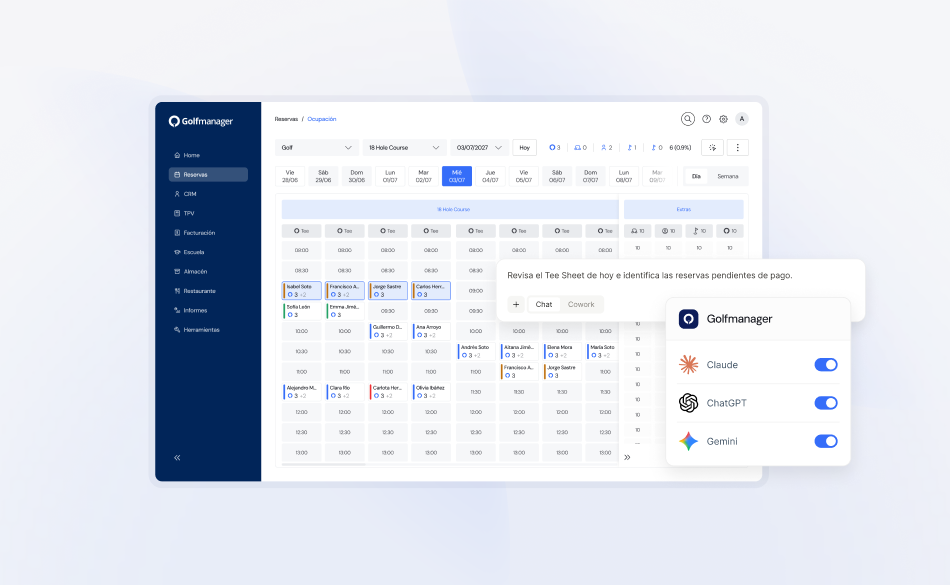
Golfmanager addresses this by treating carts as a resource within a hybrid Tee Sheet. Every time a cart is booked, it is automatically deducted from available inventory in real time.
- Inventory control: The system knows exactly how many carts are in service. If units are in maintenance, availability is adjusted accordingly
- Real-time visibility: Your caddiemaster can track when carts are expected back, improving turnaround times during busy days
This ensures a smooth operation and eliminates avoidable friction.
How To Improve Fleet Maintenance And Reduce Revenue Loss
A cart that is not in operation is not generating revenue.
Despite this, many clubs still rely on reactive maintenance, fixing carts only when something breaks. This often leads to higher repair costs and lost rental opportunities.
With the Integrated Reports in Golfmanager, you can move towards a proactive approach.
- Usage tracking: Identify which carts are used most frequently and balance usage across the fleet
- Fleet rotation: Prevent overuse of specific units and extend overall fleet lifespan
- Cost vs. revenue analysis: Using the Stock Management module, you can compare maintenance costs (batteries, tires, parts) with revenue generated per unit
These insights help you determine exactly when it makes financial sense to replace or upgrade your fleet.
How To Turn Your Cart Fleet Into A True Revenue Engine
Optimizing your cart fleet goes far beyond keeping batteries charged.
It is about using data to ensure every unit generates maximum revenue with minimal downtime.
When your Tee Sheet, Online Payments, and CRM are fully connected through Golfmanager, the cart fleet evolves from an operational concern into a strategic revenue driver.
By focusing on advance booking, dynamic pricing, and proactive maintenance, you position your club for stronger financial performance.
Discover how leading golf clubs worldwide manage their operations from a single cloud-based platform. Book a demo with our team today.
FAQ: Golf Cart Fleet Optimization
How Does Golfmanager Prevent Cart Overselling?
The system treats carts as a resource linked to the tee sheet. Once inventory limits are reached, carts are no longer offered during the booking process.
Can I Offer Different Cart Pricing For Members And Visitors?
Yes. Through the CRM and Membership modules in Golfmanager, you can define specific pricing rules for different customer segments.
Can The System Help Manage Cart Maintenance?
While the platform focuses on operations, you can use the Stock Management module to track costs and the reporting tools to monitor usage and plan maintenance.
How Does Food And Beverage Ordering Work From The Cart?
Players use the club’s mobile app to place orders. These are sent directly to the kitchen, and payment is completed automatically via the integrated POS or stored payment methods.
Is Dynamic Pricing Worth It For Small Fleets?
Absolutely. Even small pricing adjustments during peak demand periods can generate meaningful incremental revenue over time, often covering the cost of the system itself.